Bunions: Symptoms, Causes, and Treatments to Help You Walk Comfortably Again
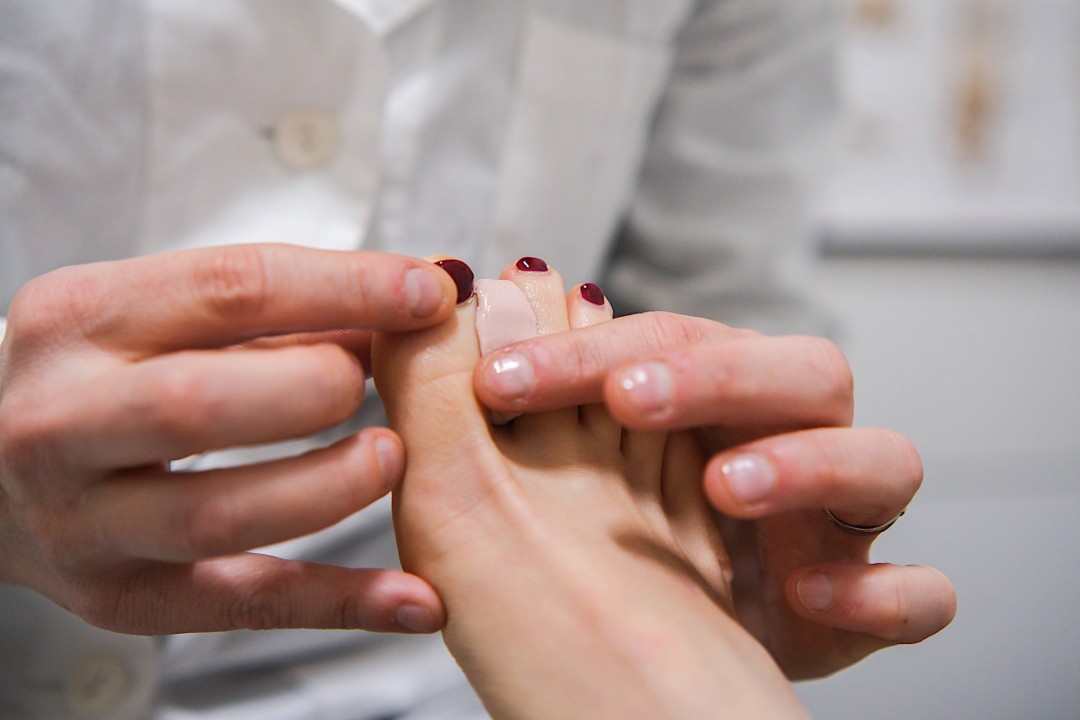
Experiencing foot pain while walking, struggling to find comfortable shoes, or noticing a bony bump near your big toe are common problems. These signs are often overlooked, but they may indicate the presence of a bunion, one of the most common foot deformities.
Recognizing the condition early makes it possible to take the right steps, relieve discomfort, and improve your quality of life. In many cases, symptoms can be managed effectively with proper footwear, custom orthotics, and orthopedic devices.
What Is a Bunion?
A bunion is a progressive deformity of the joint at the base of the big toe. Over time, the big toe gradually shifts toward the other toes, while a bony prominence develops on the inside of the foot.
This change affects the natural alignment of the foot and can lead to increasing discomfort, especially when wearing tight shoes or standing for long periods.
Bunions usually develop gradually and, if left untreated, may worsen over time.
Causes and When It Occurs
There is no single cause of bunions. Instead, they usually result from a combination of factors.
A family history of bunions is one of the most common risk factors. Foot structure, abnormal biomechanics, and regularly wearing narrow or high-heeled shoes can also contribute to the condition.
Although bunions are more common in women, they can also affect men and, in some cases, younger people with a genetic predisposition.
As the deformity progresses, pain and discomfort may become more noticeable during everyday activities.
Main Symptoms
Symptoms often develop gradually and may be mild at first.
The most common signs include pain on the inside of the foot, swelling around the base of the big toe, redness, and difficulty finding comfortable shoes.
Many people also experience pressure or discomfort while walking or after standing for extended periods. In more advanced cases, the big toe may overlap the adjacent toes, leading to additional discomfort and the formation of corns or calluses.
Recognizing these symptoms early allows for timely treatment and may help slow the progression of the deformity.
Treatment Options and Remedies
Treatment for bunions depends on the severity of the deformity and the level of discomfort.
In the early stages, many people find relief through simple conservative measures. Wearing comfortable shoes with a wide toe box helps reduce pressure on the affected joint.
Custom orthotics can improve foot alignment and distribute pressure more evenly while walking.
Other commonly recommended orthopedic devices include toe separators, bunion correctors, night splints, and gel bunion pads, all designed to reduce friction, improve comfort, and relieve pain.
When symptoms become more severe, a healthcare professional may recommend additional treatments or, if necessary, surgical correction.
When Should You See a Specialist?
It is advisable to seek professional evaluation if pain becomes persistent, the deformity continues to worsen, or walking becomes increasingly difficult.
Ongoing swelling, recurring calluses, or difficulty wearing normal footwear are also signs that should not be ignored.
An early diagnosis makes it easier to identify the most appropriate treatment and may help prevent further progression.
The Role of the Orthopedic Technician and Advice from Your Orthopedic Store
An orthopedic technician plays an important role in managing bunions by working alongside healthcare professionals to identify the most suitable solutions for each individual.
After evaluating your foot structure, gait, and daily activities, they can recommend the most appropriate orthopedic devices, including custom orthotics, splints, and protective pads.
A specialized orthopedic store can also provide practical advice on selecting the right footwear and adopting daily habits that help reduce discomfort and slow the progression of the condition.
Conclusion
Bunions are a common foot condition that can often be managed successfully when addressed early. Conservative treatments, combined with appropriate orthopedic devices, can significantly reduce pain and improve daily comfort.
Surgery is not always necessary. Early assessment and professional guidance can help preserve foot function, improve mobility, and maintain a better quality of life.
If you are experiencing pain or notice changes in the position of your big toe, consider visiting a specialized orthopedic store for a personalized assessment and recommendations tailored to your needs.
Frequently Asked Questions
Can a bunion get worse over time?
Yes. In many cases, bunions gradually become more pronounced, especially if pressure on the joint is not reduced through proper footwear and conservative treatment.
Can custom orthotics correct a bunion?
Custom orthotics cannot reverse the deformity, but they can improve foot alignment, reduce pain, and help slow the progression of the condition.
What type of shoes should I wear if I have a bunion?
Choose shoes with a wide toe box, soft upper materials, good arch support, and a low heel. Avoid narrow or tight-fitting footwear that increases pressure on the big toe.
When is bunion surgery necessary?
Surgery may be considered when pain becomes severe, conservative treatments no longer provide relief, and the deformity significantly interferes with daily activities. The decision should always be made in consultation with a qualified specialist.
All the news