Lower Back Pain and Low Back Pain: Causes, Symptoms, Remedies and When to See a Specialist
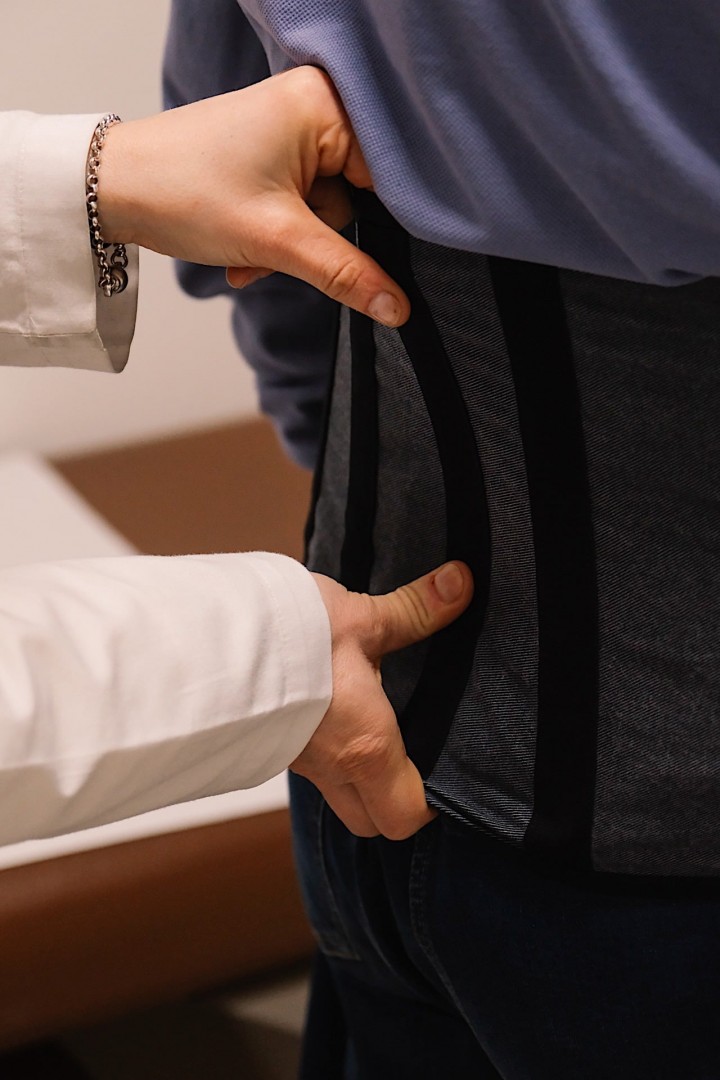
It is common to wake up with a stiff back, feel pain in the lower back after sitting for several hours, or experience a sudden twinge while lifting something heavy. Lower back pain is a very common condition and can occur at different stages of life, even without a specific injury or traumatic event.
For some people, it is a temporary discomfort that improves on its own within a few days. For others, however, low back pain may persist or return regularly, making everyday activities such as walking, working, driving, or sleeping more difficult.
Understanding what may be causing the pain can help you manage it more effectively. Even small changes in posture, movement, and daily habits can contribute to better back health.
There are also situations in which an orthopedic support may be helpful, particularly when it is selected according to the individual's needs rather than simply purchased as a standard product.
In this article, we will look at what low back pain is, the most common causes, how to recognize its symptoms, and which solutions can help support and protect the lower back.
What Is Lower Back Pain?
Low back pain, commonly referred to as lower back pain, is discomfort located in the lower part of the back, roughly between the lower ribs and the buttocks. Its intensity can vary considerably, from a feeling of tension or heaviness to more severe pain that restricts movement.
There is no single type of low back pain. It can be associated with muscles and ligaments, physical strain, problems affecting the spine, or other factors. For this reason, when pain persists or frequently returns, it is advisable to identify the underlying cause through a professional assessment.
Why Does Lower Back Pain Occur?
Lower back pain may develop after physical exertion, a sudden movement, or maintaining the same position for too long. Spending many hours sitting, especially with poor posture, can also contribute to excessive stress on the lower back.
Common contributing factors include a sedentary lifestyle, poor posture, physical overload, and repetitive movements. Being overweight can also increase the load placed on the spine.
As we age, changes in the spine may occur, including osteoarthritis or degeneration of the intervertebral discs. In some cases, pain may also be associated with specific conditions such as a herniated disc or irritation of a nerve root.
The cause, however, is not always immediately obvious. Avoiding self-diagnosis is an important first step toward addressing the problem appropriately.
Main Symptoms of Low Back Pain
The most characteristic symptom is, naturally, pain in the lower back, which may be constant or occur during certain movements.
A person may experience stiffness, difficulty bending, muscle tension, or a sensation that the back is "locked." Sometimes the pain may extend toward the buttock or down the leg. In these cases, a medical assessment is advisable, particularly if the symptoms are accompanied by tingling, loss of sensation, or weakness.
The duration and intensity of the symptoms are useful factors when deciding how to manage the condition. An occasional episode does not necessarily have the same significance as pain that persists for several weeks or occurs repeatedly.
Solutions and Remedies: Movement, Prevention and Orthopedic Supports
When there is no underlying condition requiring specific treatment, maintaining an appropriate level of physical activity and avoiding prolonged periods of inactivity can support back health. Learning how to lift objects correctly and changing position regularly throughout the day can also help reduce strain.
In some situations, a healthcare professional may recommend an orthopedic support for the lower back, such as a lumbar support belt or back brace. These devices can provide support and stabilization, but they should not be considered a universal solution or a substitute for identifying the cause of the pain.
The choice of support should take into account the type of problem, body shape, daily activities, and any recommendations provided by a doctor or healthcare professional. A device that is too rigid, too tight, or unsuitable for the individual's needs may be uncomfortable and less effective.
When Should You See a Specialist?
Mild lower back pain that gradually improves does not necessarily require immediate specialist attention. However, it is advisable to consult a doctor when the pain is severe, persistent, or getting worse.
Particular attention should be paid if lower back pain occurs following significant trauma or is accompanied by leg weakness, loss of sensation, problems controlling the bladder or bowel, fever, or other unusual symptoms. In these situations, prompt medical attention is necessary.
An accurate diagnosis makes it possible to choose the most appropriate treatment and avoid using products or remedies indiscriminately.
The Role of the Orthopedic Technician and Professional Advice
When an orthopedic support is recommended, an orthopedic technician can play an important role in selecting and fitting the appropriate device. Not all lumbar supports are the same, and they are not all designed to address the same needs.
Assessing the correct size, device characteristics, level of support, and method of use can help identify a solution that is more comfortable and better suited to the individual's everyday activities.
When purchasing an orthopedic device, it is also advisable to rely on a specialized orthopedic store where qualified professionals can provide guidance on how to use the product correctly and whether it is appropriate for your specific needs.
Conclusion
Low back pain is a common condition, but it should not always be managed in the same way. Understanding its possible causes, paying attention to the body's signals, and consulting qualified healthcare professionals when pain persists are essential steps.
When an orthopedic support is appropriate, a specialized orthopedic store can help identify the most suitable orthopedic device, avoiding generic solutions that may not meet the individual's needs.
If you suffer from lower back pain or need additional support for your back, contact our orthopedic store. Our qualified professionals can provide personalized guidance and help you identify the solution that best suits your needs.
Frequently Asked Questions About Low Back Pain
How long does lower back pain usually last?
The duration depends on the underlying cause. Many episodes of low back pain improve within a few days or weeks. If the pain persists, gets worse, or frequently returns, it is advisable to consult a doctor.
Can a lumbar support belt help with back pain?
In some cases, a lumbar support belt may provide additional support and stabilization. However, it is not suitable for every situation. The choice should be based on the individual's characteristics and the advice of a healthcare professional.
Is it better to rest when you have back pain?
Prolonged complete bed rest is generally not the best solution for common low back pain. When possible, maintaining an appropriate level of movement may support recovery. If the pain is significant, however, it is important to follow your doctor's recommendations.
Can poor posture cause lower back pain?
Yes. Maintaining uncomfortable or unsuitable positions for long periods can contribute to strain on the lower back. However, low back pain can have many different causes and should not always be attributed solely to posture.
When should lower back pain be a cause for concern?
You should seek medical advice promptly if the pain is accompanied by symptoms such as weakness or loss of sensation in the legs, changes in bladder or bowel control, fever, or if the pain occurs following significant trauma.
All the news