Metatarsalgia: how to relieve it with insoles and appropriate footwear
General Introduction
Metatarsalgia is a very common condition that causes pain in the front part of the foot, specifically around the metatarsal heads. It can develop gradually or suddenly and, if left untreated, tends to worsen over time, making everyday activities such as walking or standing for long periods more difficult.
It is often associated with excessive load on the forefoot, caused by improper weight distribution during walking. Early intervention is essential to reduce pain and prevent complications. Among the most effective solutions are custom-made orthopedic insoles and appropriate footwear, which help improve both comfort and foot function.
What Is Metatarsalgia
Metatarsalgia is a condition characterized by pain and inflammation in the forefoot area, particularly beneath the metatarsal heads. This part of the foot is subjected to significant pressure during walking and, when biomechanical imbalances are present, it can become overloaded and inflamed.
It is not a specific disease, but rather a set of symptoms linked to various causes that disrupt the foot’s natural balance. Proper weight distribution is essential to avoid excessive stress on certain areas, and this is precisely where orthopedic solutions play a key role.
Most Common Symptoms
Symptoms of metatarsalgia may vary in intensity and onset, but they typically include:
- localized pain in the forefoot
- a burning or pressure sensation
- discomfort that worsens when walking or standing
- the feeling of having a foreign object inside the shoe
- worsening symptoms when wearing tight shoes or high heels
If neglected, metatarsalgia can become chronic and significantly impact quality of life, limiting mobility and daily activities.
Main Causes
The causes of metatarsalgia are often multifactorial and linked to a combination of biomechanical factors and poor habits.
The most common include:
Improper Foot Support
Biomechanical alterations such as overpronation or supination can concentrate load on the forefoot.
Inappropriate Footwear
Tight, stiff shoes or high heels increase pressure on the metatarsal heads.
Functional Overload
Work or sports activities that involve long periods standing or repetitive movements.
Foot Structure
High arches, flat feet, or deformities such as bunions can alter weight distribution.
Excess Body Weight
Higher body weight increases pressure on the forefoot.
A professional assessment helps identify the main cause and define a targeted treatment plan.
Diagnosis of Metatarsalgia
Diagnosis is mainly clinical and based on symptom evaluation and analysis of foot support. In some cases, instrumental tests may be required to rule out other conditions.
The diagnostic process may include:
- orthopedic or physiatric examination
- plantar pressure analysis
- gait analysis
- foot X-ray
Biomechanical analysis is essential to understand how the foot distributes loads and to detect any imbalances.
How to Relieve Metatarsalgia
Achieving meaningful improvement requires addressing multiple aspects through a combination of strategies.
Reducing Overload
Temporarily limiting activities that increase pressure on the forefoot helps reduce inflammation.
Appropriate Footwear
Shoes play a crucial role, as they directly affect load distribution.
Use of Orthopedic Insoles
Orthopedic insoles are one of the most effective solutions for correcting foot support and reducing pressure on the metatarsal heads.
The Role of Orthopedic Insoles
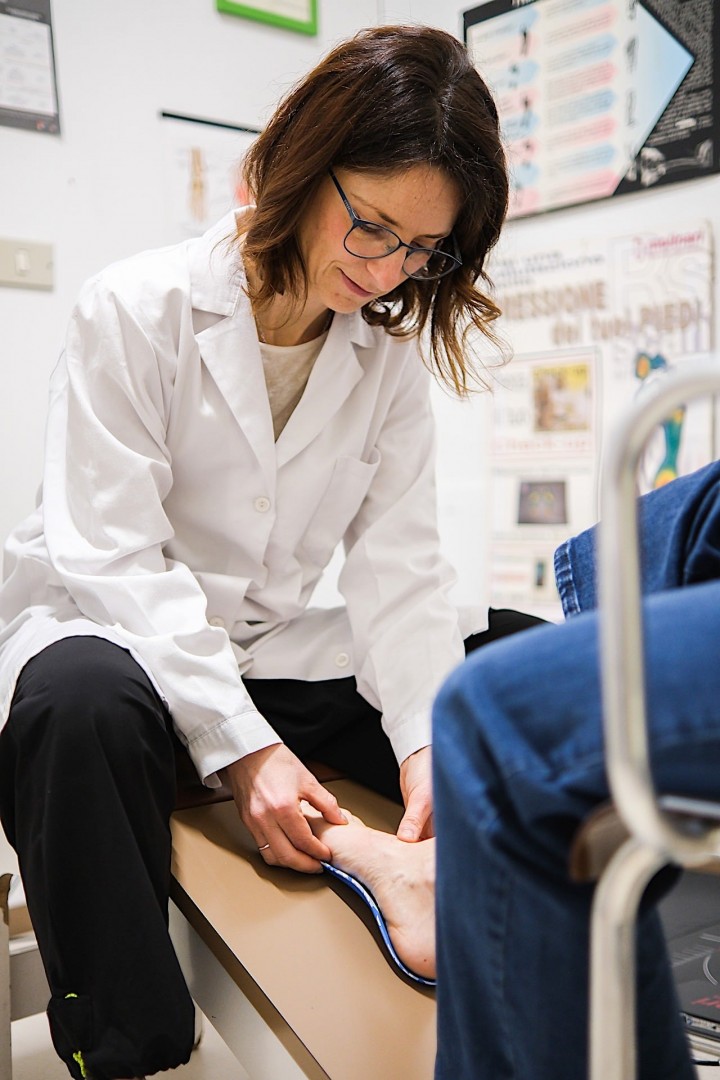
Custom-made orthopedic insoles are designed to match the foot’s shape and correct the biomechanical issues responsible for metatarsalgia.
How They Work
They act on several levels:
- redistribute pressure across the entire foot
- relieve stress from the metatarsal heads
- improve alignment and posture
- reduce pain during walking
In many cases, they include specific metatarsal pads designed to relieve pressure in the painful area and improve comfort.
Custom vs Standard Insoles
Custom insoles offer significant advantages over generic solutions:
- precise adaptation to the foot shape
- targeted correction of the problem
- greater long-term effectiveness
- better comfort during daily use
An orthopedic technician designs the most suitable insole based on a detailed assessment, ensuring effective and lasting support.
The Right Shoes Make a Difference
In addition to insoles, choosing the right footwear is essential to reduce pain and prevent recurrence.
Ideal Features
Recommended shoes should have:
- a wide toe box to avoid forefoot compression
- cushioned soles
- removable insoles to accommodate custom devices
- a low orthopedic heel (about 2–3 cm)
- good stability and support
Shoes to Avoid
It is advisable to limit:
- high heels
- tight or rigid shoes
- poorly cushioned models
- overly thin or unsupportive footwear
Inappropriate footwear can significantly increase forefoot load and worsen symptoms.
When to See a Specialist
Do not underestimate the signs and seek help early if:
- pain persists for several days
- discomfort progressively worsens
- walking becomes difficult
- symptoms recur frequently
Timely intervention helps reduce recovery time and prevent chronic issues.
The Importance of Professional Assessment
Metatarsalgia requires a personalized approach. Each foot has unique characteristics and needs specific solutions.
An orthopedic specialist will perform:
- plantar pressure analysis
- posture and gait evaluation
- custom insole design
- footwear recommendations
This process helps identify the root cause and provide targeted treatment to improve comfort and foot function.
Prevention and Physical Activity
Adopting good habits can help prevent metatarsalgia or reduce the risk of recurrence:
- maintain a healthy body weight
- always choose appropriate footwear
- avoid sudden overload
- perform mobility and stretching exercises
- alternate activity and rest
A preventive approach helps keep the foot in optimal condition over time.
Conclusion
Metatarsalgia is a common condition that can affect quality of life if not properly treated. However, with the right approach, it is possible to reduce pain and regain comfortable walking.
Custom-made orthopedic insoles, combined with appropriate footwear and proper load management, represent one of the most effective long-term treatment strategies. A personalized approach improves weight distribution, reduces pressure on the forefoot, and helps prevent recurrence.
Book a Personalized Consultation
If you suffer from forefoot pain, early intervention can make a real difference.
At our clinic, you can receive:
- plantar pressure analysis
- custom orthopedic insole fabrication
- personalized professional consultation
- support in choosing the most suitable footwear
A guided pathway helps identify the most effective solution and return to walking comfortably and safely.
Contact us at +39 035 212110 or email info@ortopediazambelli.it