Orthopedic Braces and Supports: A Complete Guide to Selection and Proper Use
General Introduction
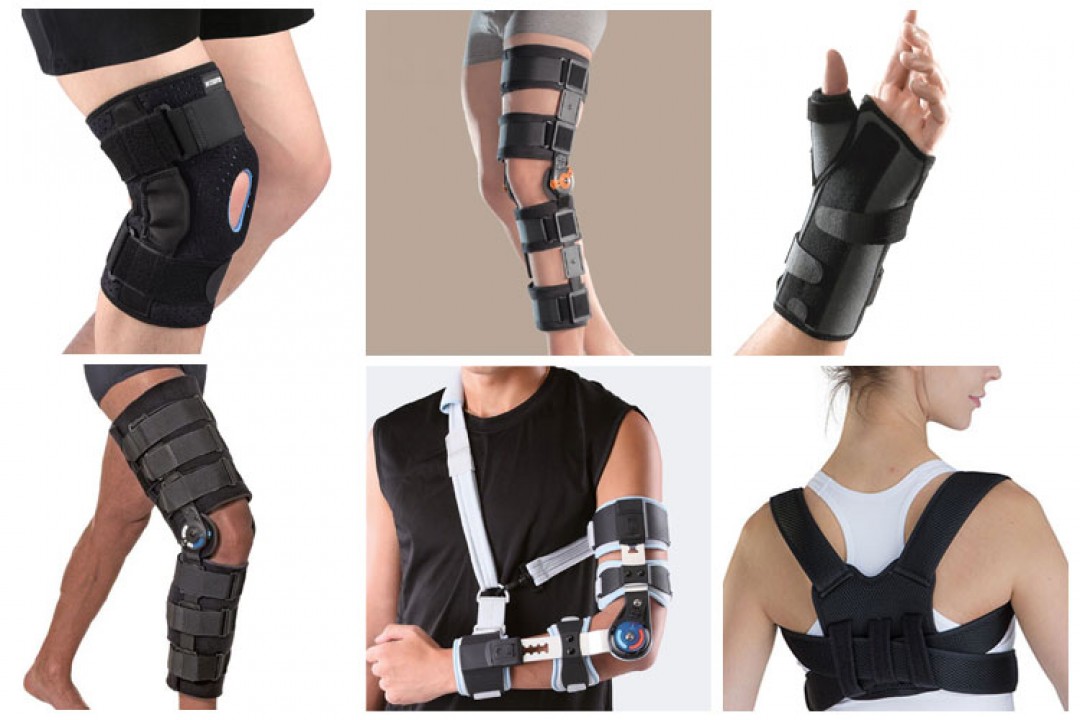
Orthopedic braces and supports are essential tools in the prevention, treatment, and rehabilitation of numerous musculoskeletal conditions. Knee braces, ankle supports, spinal braces, orthotic insoles, cervical collars, and custom-made orthoses are medical devices designed to support joints and body segments, improve posture, reduce pain, and promote functional recovery.
Proper use of orthopedic braces and supports helps protect anatomical structures, limit harmful movements, and guide patients throughout their therapeutic journey, both in conservative care and post-operative settings.
Definition and Characteristics
Orthopedic braces and supports are medical devices intended to:
-
Stabilize a joint.
-
Limit or guide specific movements.
-
Reduce load on an injured structure.
-
Correct postural alterations or deformities.
-
Support rehabilitation after trauma or surgery.
They may be made from elastic, semi-rigid, or rigid materials, depending on the required level of support. The choice between a standard brace and a custom-made device depends on the condition, the patient’s morphology, and therapeutic goals.
Types of Orthopedic Braces and Supports
Lower Limb Braces
Among the most commonly prescribed are:
-
Stabilizing knee braces for ligament injuries or osteoarthritis.
-
Ankle braces for sprains and joint instability.
-
Walker boots for post-traumatic immobilization.
-
Orthopedic insoles to correct improper foot support.
These devices help control movement, improve alignment, and promote safer walking.
Upper Limb Braces
Used in cases of trauma, surgery, or degenerative conditions:
-
Wrist and hand braces.
-
Shoulder immobilizers.
-
Stabilizing elbow braces.
Their goal is to reduce pain and protect joint structures during healing.
Spinal Orthoses
Orthopedic braces and corsets designed for the spine include:
-
Lumbar braces for low back pain and disc disorders.
-
Thoracolumbar braces for vertebral fractures.
-
Cervical collars for spinal trauma.
These devices help stabilize the spine, reduce vertebral load, and improve posture.
Main Indications
Orthopedic braces and supports are indicated in various clinical situations:
-
Sports injuries (sprains, ligament tears).
-
Degenerative conditions such as osteoarthritis.
-
Chronic joint instability.
-
Post-operative orthopedic recovery.
-
Postural alterations or deformities.
Proper medical indication is essential to avoid inappropriate or excessive use.
Symptoms and Benefits for Quality of Life
Joint pain, instability, swelling, or limited movement may indicate the need for orthopedic support.
Main benefits include:
-
Pain reduction.
-
Improved stability during movement.
-
Prevention of further injury.
-
Faster functional recovery.
-
Greater confidence in daily activities.
Appropriate support can make a significant difference in maintaining autonomy and mobility, particularly in elderly individuals and athletes.
Diagnostic Pathway and Assessment
The selection of orthopedic braces and supports should always begin with a specialist evaluation. The process may include:
-
Orthopedic or physiatric consultation.
-
Biomechanical and postural assessment.
-
Imaging studies (X-ray, MRI) when necessary.
-
Gait analysis for lower limb conditions.
-
Prescription of braces or aids when appropriate.
In specialized orthopedic stores, the orthopedic technician plays a central role in fitting and adapting the device, ensuring proper fit, comfort, and correct biomechanical function. A poorly fitted brace is ineffective and may compromise therapeutic benefits.
Conservative Treatment and Rehabilitation Integration
Orthopedic braces and supports are part of a broader therapeutic pathway that may include:
-
Anti-inflammatory medication.
-
Muscle strengthening exercises.
-
Postural re-education.
The goal is not to replace movement, but to support it safely, preventing overload while promoting gradual recovery.
Prevention and Physical Activity
Preventive use of orthopedic braces and supports is common in sports, especially in individuals with previous injuries. However, their use should be balanced with proper muscle strengthening to avoid dependency.
Regular and properly performed physical activity improves joint stability and may reduce the long-term need for permanent support.
Technological Evolution
In recent years, orthopedic braces and supports have benefited from significant innovations:
-
Lighter and more breathable materials.
-
Pre-shaped anatomical structures.
-
Adjustable and customizable fastening systems.
-
Custom production through digital scanning technology.
These advances enhance comfort, therapeutic effectiveness, and treatment adherence.
Conclusions
Orthopedic braces and supports are valuable allies in managing trauma, degenerative diseases, and postural disorders. Selecting the most appropriate device, ensuring correct application, and integrating it into a personalized rehabilitation program are key factors in achieving lasting results.
Relying on qualified professionals ensures the identification of the most suitable solution, improves quality of life, and preserves joint function over time.
All the news