Preventive vs. Therapeutic Compression: What's the Difference and Which One Should You Choose?
Do your legs feel heavy after a long day at work? Or has your doctor recommended compression stockings, but you're unsure which type is right for you? This is a very common situation. Many people don't know the difference between preventive compression and therapeutic compression, and as a result, they may choose a product that doesn't meet their needs.
Understanding when to use preventive compression stockings and when therapeutic compression is required is essential for achieving the best results and maintaining healthy legs.
What Is Preventive and Therapeutic Compression?
Compression therapy involves wearing specially designed stockings or other compression garments that apply graduated pressure to the legs. This pressure helps improve blood flow back to the heart, supports healthy venous circulation, and reduces swelling and the feeling of tired, heavy legs.
There are two main types of compression: preventive compression and therapeutic compression.
Preventive Compression
Preventive compression is designed for people who want to reduce the risk of developing circulation problems or relieve mild, everyday leg discomfort. These stockings provide light compression and are commonly recommended for people who spend long hours standing or sitting, travel frequently, or are pregnant, when appropriate and following professional medical advice if needed.
Therapeutic Compression
Therapeutic compression, on the other hand, is intended for individuals who have already been diagnosed with a venous condition, such as chronic venous insufficiency, varicose veins, or lymphedema. These stockings provide a higher level of graduated compression and are available in different compression classes. The appropriate compression level should always be determined by a healthcare professional.
When Is Each Type of Compression Used?
Choosing between preventive and therapeutic compression depends on your symptoms and overall vascular health.
If you occasionally experience tired or heavy legs, mild swelling after a long day, or simply want to help prevent circulation issues due to your lifestyle or occupation, preventive compression stockings may be an excellent option.
However, if you have been diagnosed with varicose veins, persistent leg swelling, chronic venous disease, or another vascular condition, therapeutic compression stockings are generally the most appropriate choice and should be selected according to your healthcare provider's recommendations.
Common Symptoms That May Indicate the Need for Compression Therapy
Your legs often provide early warning signs that shouldn't be ignored.
Frequent heaviness, swollen ankles, tired legs, nighttime cramps, or visible spider veins may indicate that your venous circulation is not functioning as efficiently as it should.
If these symptoms occur only occasionally, preventive compression may help improve comfort. However, if they become persistent or worsen over time, it is advisable to seek a professional medical evaluation.
Treatment Options and Solutions
Selecting the right compression device is one of the most important aspects of effective compression therapy.
Preventive compression stockings are designed to improve everyday comfort and are available in several styles, including knee-highs, thigh-highs, and pantyhose.
Therapeutic compression stockings are available in different compression classes and can also be custom-made to ensure the best possible fit and effectiveness.
In addition to orthopedic compression garments, maintaining an active lifestyle, walking regularly, avoiding prolonged sitting or standing, and elevating your legs whenever possible can further improve circulation and reduce discomfort.
When Should You See a Specialist?
You should consider consulting a healthcare professional if leg swelling becomes frequent, varicose veins become more noticeable, pain increases, or changes appear in the skin of your legs.
A proper medical evaluation helps determine the underlying cause of your symptoms and whether preventive compression is sufficient or if therapeutic compression stockings with a specific compression class are needed.
Self-diagnosis and self-treatment should be avoided whenever a venous condition is suspected.
The Role of the Orthopedic Technician and Advice from Your Orthopedic Store
An orthopedic technician plays an important role in helping you choose the most suitable compression therapy.
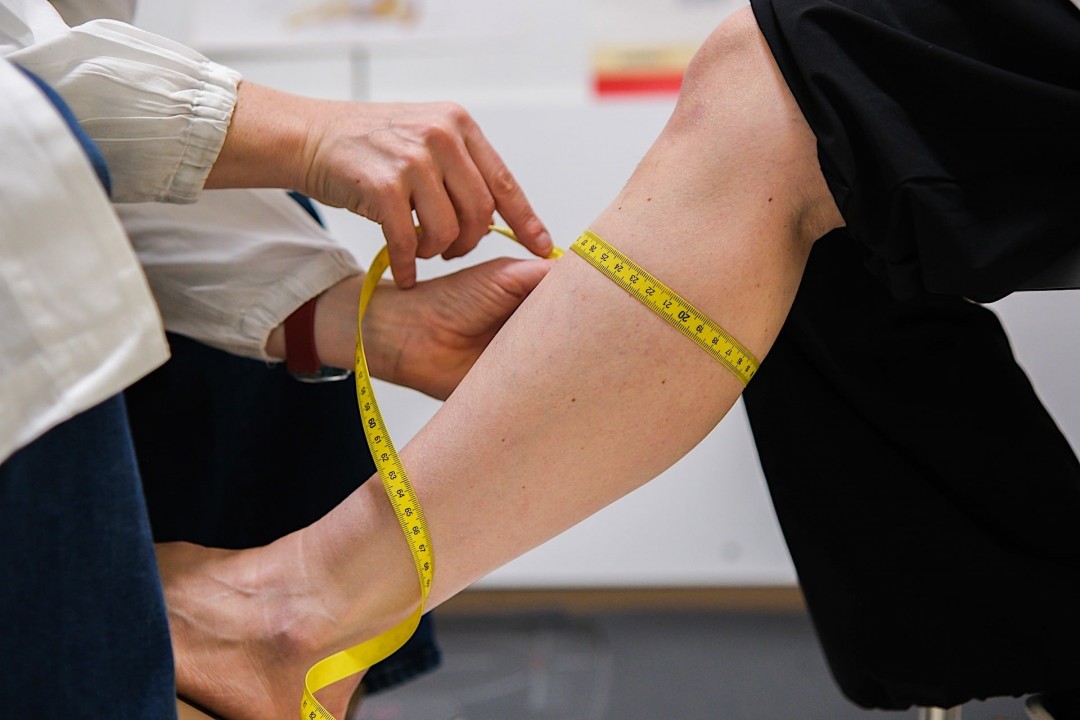
Based on your doctor's recommendations, they will accurately measure your legs and help identify the compression garment that best suits your condition, body shape, and daily lifestyle.
A specialized orthopedic store can also provide practical guidance on how to correctly wear compression stockings, care for them properly, and know when they should be replaced to maintain their effectiveness.
Conclusion
Understanding the difference between preventive compression and therapeutic compression is the first step toward improving leg health.
Preventive compression stockings are ideal for reducing everyday leg fatigue and helping prevent minor circulation issues, while therapeutic compression stockings are designed to treat diagnosed venous conditions and should always be selected under professional guidance.
By relying on a qualified orthopedic store, you can receive personalized advice and choose the compression solution that best meets your needs, helping improve comfort, mobility, and overall quality of life.
Frequently Asked Questions
Can I buy preventive compression stockings without a prescription?
Yes. Preventive compression stockings are generally available without a prescription and are intended to relieve tired, heavy legs and help prevent minor circulation problems. However, if your symptoms are persistent or severe, you should consult a healthcare professional.
Do therapeutic compression stockings always require a doctor's recommendation?
Yes. Therapeutic compression stockings should be selected based on the advice of a physician or vascular specialist, who will determine the appropriate compression class according to your medical condition.
Can I wear preventive compression stockings if I have varicose veins?
It depends on the severity of your condition. If you have varicose veins or chronic venous insufficiency, you should seek professional medical advice to determine whether therapeutic compression is more appropriate.
How do I choose the correct size for compression stockings?
Proper sizing is essential for compression therapy to be both comfortable and effective. Measurements should ideally be taken by a trained professional at a specialized orthopedic store to ensure the best possible fit.
All the news