The Orthopedic Technician: Who They Are and What They Do
The Orthopedic Technician: Who They Are and What They Do
General Introduction
The orthopedic technician is a healthcare professional specialized in the design, production, and fitting of orthopedic devices intended to improve mobility, posture, and quality of life for people with musculoskeletal or neurological conditions. Their work takes place within a multidisciplinary healthcare pathway and represents a key point of reference for patients who require orthoses, prostheses, or mobility aids.
In modern rehabilitation, the role of the orthopedic technician has become increasingly important. Thanks to technical and biomechanical expertise, this professional translates medical prescriptions into practical, personalized solutions that support movement, correct postural alterations, and promote functional recovery.
Who the Orthopedic Technician Is
The orthopedic technician is a healthcare professional with a specialized university degree in the field of technical orthopedics. In Italy, the profession is regulated and requires a specific academic qualification within the healthcare professions of rehabilitation.
Training typically includes subjects such as:
-
Anatomy and physiology of movement
-
Biomechanics and orthopedics
-
Materials technology
-
Design and fabrication of orthoses and prostheses
-
Techniques for functional patient assessment
Through this training, the orthopedic technician develops both clinical and technological expertise, allowing them to design orthopedic devices that are effective and adapted to individual needs.
What the Orthopedic Technician Does
The work of the orthopedic technician involves translating a physician’s therapeutic prescription into functional devices that help patients recover or improve mobility.
Key responsibilities include:
Technical assessment of the patient
Evaluation of posture, movement biomechanics, and functional needs.
Design of the orthopedic device
Selection of materials, structures, and technical solutions best suited to the condition.
Production of orthoses and prostheses
Manufacture of custom devices such as spinal braces, orthotic supports, insoles, prosthetic limbs, or mobility aids.
Fitting and adjustment
Modification and personalization of the device to ensure comfort, stability, and therapeutic effectiveness.
Assistance and follow-up
Long-term monitoring to verify proper function and implement adjustments when needed.
This process allows the creation of personalized solutions tailored to the patient’s morphology, pathology, and lifestyle.
Devices Made by Orthopedic Technicians
Orthopedic technicians are responsible for a wide range of medical devices used for rehabilitation and movement support.
Common devices include:
-
Spinal orthoses, such as braces and corsets for the spine
-
Lower limb orthoses, for knee, ankle, and foot support
-
Upper limb orthoses, for shoulder, elbow, wrist, and hand
-
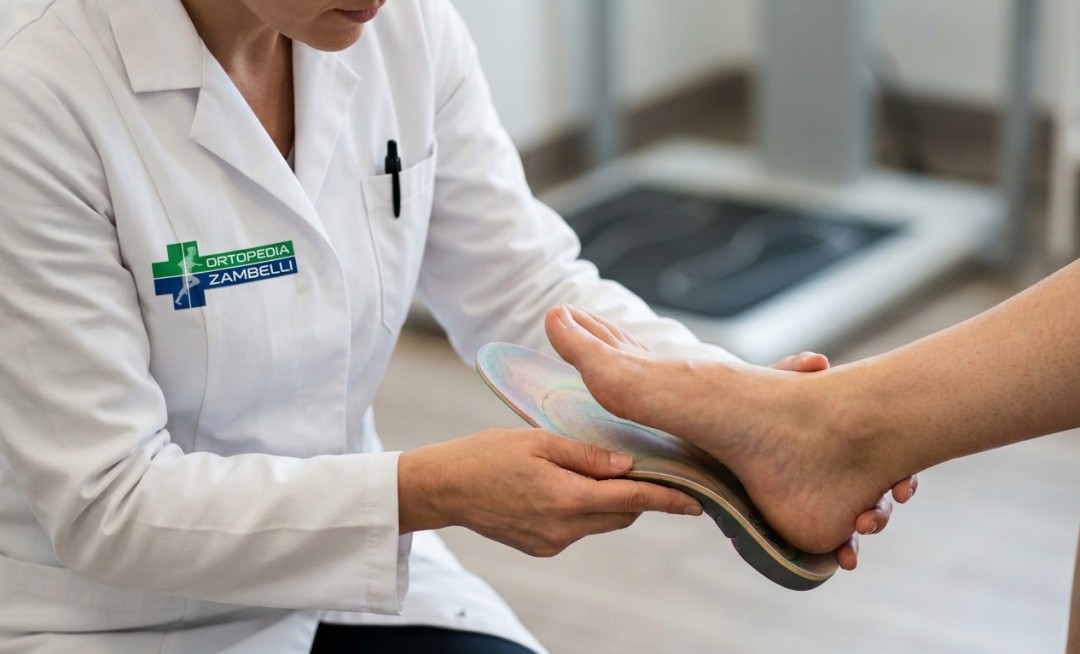
Orthotic insoles, designed to correct foot alignment and pressure distribution
-
Custom orthopedic footwear, for patients with deformities or amputations
-
Limb prostheses, replacing amputated body segments
-
Mobility aids, such as walkers, wheelchairs, or gait support systems
-
Rehabilitation aids, used during recovery after trauma
These devices may be custom-made or adapted from prefabricated models, always with the goal of ensuring optimal functionality.
Role in the Therapeutic Pathway
Orthopedic technicians often work closely with other healthcare professionals, including:
-
Orthopedic physicians
-
Physiatrists
-
Physiotherapists
-
Occupational therapists
This multidisciplinary collaboration allows orthopedic devices to be integrated effectively within a comprehensive rehabilitation program.
For example, in spinal conditions, a physician may prescribe a spinal brace while the orthopedic technician designs and fits the device so that it properly supports the spine without excessively limiting movement.
Fields of Practice
Orthopedic technicians operate in many clinical and rehabilitation areas, including:
Orthopedics and traumatology
Supporting recovery after fractures, ligament injuries, or surgery.
Spinal disorders
Production of braces for scoliosis, kyphosis, or vertebral fractures.
Pediatric conditions
Application of braces for hip dysplasia or clubfoot.
Foot and gait disorders
Creation of orthotic insoles, orthopedic shoes, and braces to improve foot support and walking.
Neurological rehabilitation
Use of orthoses to support patients with motor impairments.
Prosthetics
Design and fitting of prosthetic limbs for amputees.
The versatility of the profession allows intervention in many different clinical situations with the aim of improving function and patient independence.
Technological Evolution of the Profession
In recent years, the work of orthopedic technicians has benefited from significant technological innovations, including:
-
3D body scanning systems
-
Digital design of orthopedic devices
-
Advanced materials such as carbon fiber and technical polymers
-
Computer-assisted manufacturing technologies
These innovations allow the production of increasingly precise, lightweight, and comfortable devices, improving both therapeutic outcomes and patient experience.
Importance of Personalization
One of the most important aspects of an orthopedic technician’s work is device customization. Every patient has unique anatomical, functional, and postural characteristics that require specific solutions.
A properly fitted brace or prosthesis should:
-
Respect the body’s biomechanics
-
Distribute loads correctly
-
Provide stability without excessively limiting movement
-
Remain comfortable during daily use
Personalization is therefore essential for achieving effective therapeutic results.
Conclusion
The orthopedic technician is a fundamental professional figure in the fields of rehabilitation and mobility. Through a combination of technical and healthcare expertise, this specialist designs and produces orthopedic devices that improve posture, support movement, and promote functional recovery.
The integration of clinical assessment, technological innovation, and personalized device design allows increasingly effective solutions, helping many people maintain independence, safety in movement, and a better quality of life.