Why Does Knee Pain Occur?
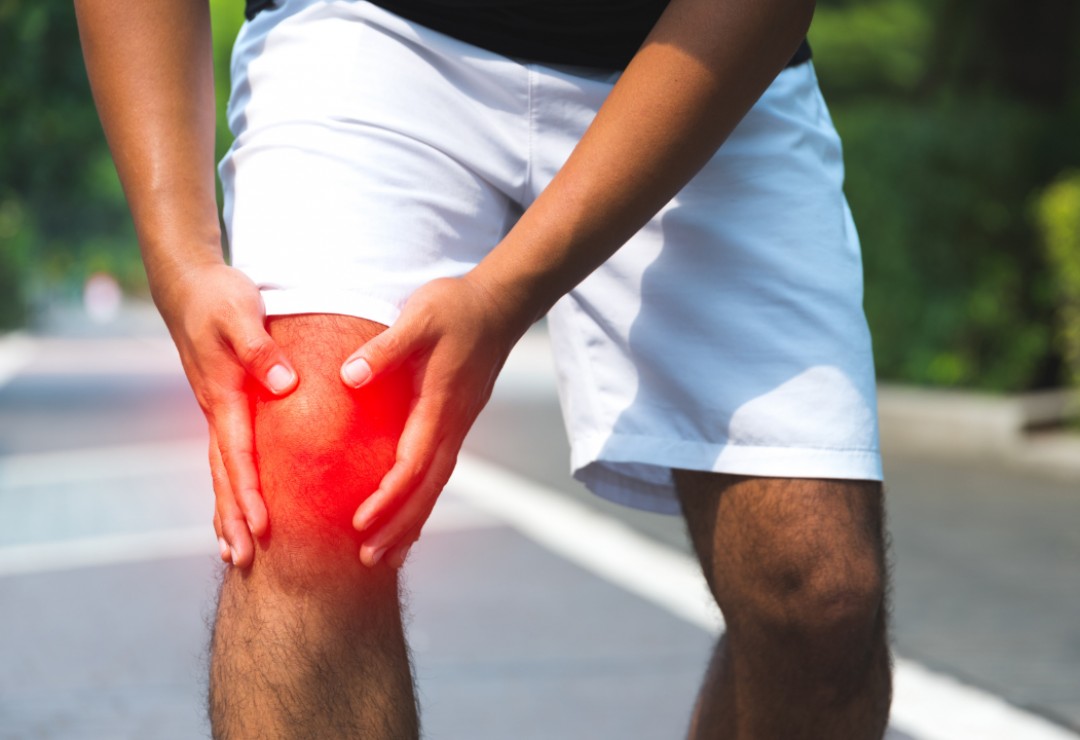
Knee pain is one of the most common musculoskeletal complaints and can affect people of all ages: athletes, active workers, and older adults. The knee joint is one of the most stressed structures in the human body because it supports body weight and enables essential movements such as walking, climbing stairs, running, and practicing sports.
When knee pain appears, several anatomical structures may be involved, including cartilage, menisci, ligaments, and tendons. In many cases, in addition to medical therapies and physiotherapy, the use of orthopedic knee braces can help improve joint stability and reduce pain during movement.
Knee braces are among the most widely used orthopedic supports in specialized orthopedic centers to protect the knee and support functional recovery.
Knee Anatomy: How the Joint Works
The knee is a complex joint that connects the femur, tibia, and patella and mainly allows flexion and extension of the leg.
The main structures that make up the knee joint include:
Articular cartilage
Covers the bone surfaces and reduces friction during movement.
Menisci
Act as natural shock absorbers between the femur and tibia, distributing load across the joint.
Cruciate and collateral ligaments
Provide knee stability and control joint movement.
Tendons and muscles
Allow movement and contribute to dynamic stability of the knee.
Because of its complexity and the daily load it supports, the knee is particularly prone to injuries, inflammation, and degenerative conditions that can cause pain and limited mobility.
Most Common Causes of Knee Pain
Knee pain can have several causes, often related to age, lifestyle, or sports activities.
The most common conditions include:
Trauma and sports injuries
Sprains, ligament tears, or meniscal injuries are common in sports that involve sudden direction changes, jumping, or rapid movements.
Knee osteoarthritis (gonarthrosis)
A degenerative condition characterized by wear of the articular cartilage, causing pain, stiffness, and difficulty moving.
Tendinitis and inflammation
Tendon inflammation may result from functional overload or repetitive movements.
Patellofemoral syndrome
An alteration in the movement of the patella that causes pain in the front of the knee, especially when climbing stairs or after sports activities.
Functional overload or poor posture
Foot support alterations or biomechanical issues can increase stress on the knee joint.
Identifying the exact cause of knee pain is essential to choose the most appropriate treatment and the most suitable orthopedic knee brace if needed.
Symptoms of Knee Pain
Knee pain can present with different symptoms depending on the underlying condition.
Common signs include:
-
Pain during movement or weight-bearing
-
Swelling of the joint
-
Stiffness, especially in the morning
-
Feeling of knee instability
-
Difficulty bending or fully extending the leg
When pain persists over time, it may limit simple daily activities such as walking, climbing stairs, or exercising. In these cases, orthopedic knee braces can provide useful support to improve stability and reduce stress on the joint.
Diagnosis of Knee Pain
To identify the cause of knee pain, a thorough clinical evaluation by a specialist is essential.
The diagnostic process may include:
-
Orthopedic examination and joint assessment
-
Ligament stability tests
-
Knee X-ray
-
MRI to evaluate menisci and ligaments
-
Ultrasound to assess tendons and soft tissues
An accurate diagnosis helps define the most appropriate treatment and determine whether orthopedic supports such as knee braces are necessary.
Orthopedic Knee Braces: What They Are Used For
Orthopedic knee braces are devices designed to support and stabilize the knee joint during movement.
Using a knee brace can help to:
-
Stabilize the knee
-
Limit harmful movements
-
Reduce load on cartilage and menisci
-
Improve joint proprioception
-
Reduce knee pain during walking
Knee braces are used both during recovery after injuries and in the management of chronic conditions such as osteoarthritis.
Types of Orthopedic Knee Braces
Different types of knee braces exist, each designed for specific therapeutic needs.
Elastic Knee Braces
Elastic knee braces provide light compression and are recommended for:
-
Sports prevention
-
Mild knee instability
-
Minor inflammation
Compression promotes circulation and may help reduce swelling.
Stabilizing Knee Braces
Stabilizing knee braces include lateral reinforcements or stays that increase joint stability.
They are indicated for:
-
Ligament injuries
-
Chronic knee instability
-
Recovery after sports trauma
Hinged Knee Braces
Hinged knee braces include lateral joints that precisely control knee movement.
They are often used for:
-
Post-operative recovery
-
Major ligament injuries
-
Orthopedic rehabilitation
Knee Braces for Osteoarthritis
Osteoarthritis knee braces are designed to reduce pressure on a specific compartment of the joint and improve knee alignment.
This type of support can help reduce knee pain during walking and improve quality of life.
The Role of the Orthopedic Center and Orthopedic Technician
Choosing the most suitable knee brace should be done carefully and preferably with the help of a professional.
The orthopedic technician evaluates several factors:
-
Limb morphology
-
Level of knee instability
-
Patient’s daily activities
-
Need for support during walking
In a specialized orthopedic center, the brace can be adjusted and fitted to ensure stability, comfort, and proper biomechanical support.
Treatments for Knee Pain
Treatment for knee pain depends on the cause and severity of the condition.
The most common therapeutic strategies include:
-
Rest and reduced joint load
-
Physiotherapy and muscle strengthening
-
Anti-inflammatory medications
-
Use of orthopedic knee braces
-
Orthotic insoles when foot alignment issues are present
In more complex cases, such as severe ligament injuries or advanced osteoarthritis, surgery may be required.
Prevention of Knee Pain
Adopting healthy habits can help prevent knee pain and protect the joint.
Key preventive strategies include:
-
Maintaining a healthy body weight
-
Strengthening thigh muscles
-
Performing regular stretching exercises
-
Wearing appropriate footwear
-
Avoiding sudden overload during sports activities
Balanced physical activity helps keep the knee stable and reduces the risk of injury.
Conclusion
Knee pain is a very common condition that can result from injuries, degenerative diseases, or functional overload. Early diagnosis and appropriate treatment are essential to preserve mobility and quality of life.
Orthopedic knee braces are a valuable support for improving joint stability and reducing pain during daily activities.
Consulting a specialized orthopedic center allows patients to identify the most suitable orthopedic support and receive professional advice for managing knee pain effectively.
FAQ – Frequently Asked Questions About Knee Pain and Knee Braces
When is it recommended to use a knee brace for knee pain?
Using an orthopedic knee brace is recommended in cases of knee pain caused by joint instability, inflammation, injuries, or conditions such as osteoarthritis. Knee braces help stabilize the joint, reduce load during movement, and improve safety when walking or exercising.
Do knee braces really help reduce knee pain?
Yes, in many cases orthopedic knee braces can help reduce knee pain. They provide support to the joint, improve stability, and limit movements that could worsen the condition. Additionally, the compression provided by some braces may help reduce swelling and inflammation.
Which knee brace should I choose for knee pain?
The most suitable knee brace depends on the cause of the pain and the level of joint instability. For example:
-
Elastic knee braces for mild inflammation
-
Stabilizing braces for joint instability
-
Hinged braces for ligament injuries or post-surgical recovery
-
Specific braces for knee osteoarthritis
For this reason, it is always recommended to consult a specialized orthopedic center for professional evaluation.
Can I use a knee brace during sports activities?
Yes, many orthopedic knee braces are specifically designed for sports. They can help prevent injuries, improve joint stability, and protect the knee during intense movements such as jumping, running, or rapid direction changes.
How long can a knee brace be worn?
The duration of use depends on the specific condition and the recommendations of a physician or orthopedic technician. In some cases it may only be worn during physical activity, while in others it may be used during daily activities.
Are knee braces useful for knee osteoarthritis?
Yes, some knee braces designed for osteoarthritis help reduce load on a specific compartment of the joint. This can help decrease knee pain while walking and improve mobility in everyday activities.
Is it better to buy a knee brace from an orthopedic center?
Purchasing a knee brace from an orthopedic center allows you to receive professional advice and select the most suitable device for your needs. The orthopedic technician can evaluate joint stability, leg morphology, and the type of activities performed, ensuring a safer and more effective choice. Relying on professionals helps protect the patient’s health.